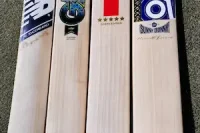
Cricket Bat Grains Explained : Choose Without Overpaying for Looks
Published: 27 Jun 2026
A new bat always creates a small crowd.
Someone takes it from the kit bag. Someone taps the face with a ball. Someone else holds it near the light and starts counting the lines.
“Looks like eight grains.”
Then the nods begin.
It feels scientific. It also feels slightly dramatic, like the bat has just passed a medical test.
But here is the problem. Many players judge a cricket bat too quickly by its face. The cleanest willow does not always play the best. The bat with the most lines does not always ping harder. A cheaper blade with honest blemishes can sometimes feel better than a showroom-perfect bat.
Cricket bat grains matter, but they are only one part of the story.
Grains can tell you something about the willow, its growth, and its visual grade. They can also mislead you if you ignore pickup, pressing, balance, sweet spot, knocking in, and your actual playing level.
This guide explains what those lines mean, how many you should look for, and when to stop worrying about them.
What Are Cricket Bat Grains?
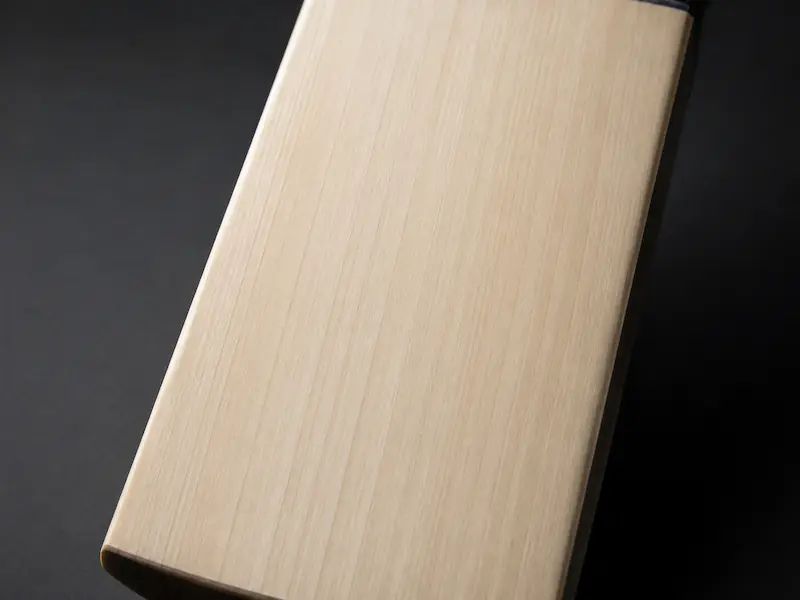
Cricket bat grains are the visible vertical lines on the face of a willow bat. They come from the natural growth rings of the tree. In simple terms, each line shows how the willow grew before the cleft became a cricket bat blade.
That is the clean answer.
But the buying answer is more useful: grains help you judge appearance, grade, and possible willow structure. They do not guarantee better performance.
A bat still needs good pressing, proper preparation, a comfortable handle, and a sweet spot that suits your game.
Modern cricket bat guides often explain grains as annual growth rings in English willow. Manufacturer-led guides say these lines become visible when a willow cleft is cut and shaped into a blade.
So when someone asks, “what grains do in bat?” the honest answer is this: they do not hit the ball for you. They show clues about the wood. The bat maker, pressing process, and your hands do the rest.
Why Players Obsess Over Bat Grains
Cricket players love visible proof.
We want to believe the best bat can be spotted quickly. Straight lines feel reassuring. Clean willow looks premium. A pale face with even grains makes a player feel like a professional before the first ball.
That emotional pull matters.
Retailers know it too.
A recent cricket industry discussion warned that demand for pale, perfect-looking English willow can push prices higher. Some bat makers now argue that players should care less about perfect looks and more about performance.
I agree with that view strongly.
A cricket bat is not wall art. It is a hitting tool.
Yes, cricket bat grains can help you inspect quality. But judging a bat only by grains is like judging a car only by paint. Nice paint helps. It does not tell you how the engine drives.
“Is more grains better on a cricket bat?” Not always. More grains may indicate a mature, tighter willow. But a 12-grain bat can still feel dead if the pressing is poor. A 7-grain bat can feel lively if the cleft, moisture level, and pressing are right.
That is why good players pick up the bat before they praise the face.
They know feel beats looks.
How Many Grains Is a Good Cricket Bat?
Most good English willow bats sit between 6 and 12 grains. For many club players, 6 to 10 straight and even grains is a very safe range.
That answers the question directly.
If someone asks, “How many grains is a good cricket bat?” I would not give one magic number. I would say look for clean, straight grains first. Then check pickup and ping.
A bat with 8 grains often sits in the sweet middle. So when you see a cricket bat 8 grains label, do not dismiss it as average. Eight straight grains can be excellent for club cricket, school cricket, and regular hardball use.
Here is a practical way to think about it.
| Grain Count | What It Usually Suggests | Best For |
|---|---|---|
| 4 to 5 grains | Wider spacing, often lower visual grade | Beginners, practice, budget buyers |
| 6 to 8 grains | Balanced look and good value | Most casual and club players |
| 9 to 12 grains | Cleaner face, often higher grade | Serious league players |
| 13 plus grains | Very tight appearance | Selective advanced players |
Retailers and manufacturers often link higher visual grades with straighter, cleaner grains. One 2026 retailer guide lists Grade 1 and Grade 1 plus English willow as often having 6 to 12 grains, while Grade 3 commonly sits around 5 to 8 grains. It also notes that grading standards vary by manufacturer.
That last point matters.
There is no universal cricket bat grading policy.
One brand’s Grade 2 can look like another brand’s Grade 1. That is why brand names like Gray-Nicolls, Kookaburra, SG, SS Ton, GM, DSC, BAS, New Balance, MRF, and CEAT should not be your only filter.
The bat in your hands matters more than the sticker.
Is 7 Grains on a Cricket Bat Good?
Yes, 7 grains on a cricket bat can be very good.
In fact, seven clean grains may be one of the best value zones for many players. It often gives you enough visual quality without pushing the price into premium territory.
A 7-grain bat can suit:
- Beginner hardball players
- School and academy players
- Weekend cricketers
- Club players on a sensible budget
- Players who care more about feel than cosmetics
Here is where buyers make a mistake. They compare a 7-grain bat with a 12-grain bat and assume the second one must be better.
Not so fast.
Ask better questions.
Does the 7-grain bat pick up lighter? Does it have a clean hitting area? Does the ball rebound well from the middle? Does the handle feel stable? Does the bat suit front-foot shots, back-foot play, or power hitting?
If yes, a seven-grain bat is not a weakness. It may be the smart choice.
For junior buyers, seven grains can be ideal because young players often need control more than raw power.
Tight Grains vs Wide Grains
Tight grains sit close together. Wide grains have more space between each line.
Neither is automatically better.
Tight grains often look more premium. They may suggest older, slower-grown willow. Many players associate them with harder pressing, better durability, and a cleaner face.
Wide grains often appear on younger or faster-grown willow. They can still perform well. They may even feel more responsive in some bats, depending on the pressing and cleft.
A good cricket bat with wide grains can still score runs. A bad cricket bat with tight grains can still disappoint you.
The Village Cricket guide makes a useful point here. It explains that tight grains can suggest a harder and more durable surface after pressing, but very tight grains may also bring brittleness. It also notes that wider grains may need more knocking in.
That is the balanced view.
Do not worship tight grains.
Do not reject wide grains.
Look for straightness, evenness, and a clean hitting zone.
Why Cricket Bat Straight Grains Matter
The phrase cricket bat straight grains gets searched a lot because straightness is easier to trust than raw count.
Straight grains usually run from the shoulder area toward the toe without curving wildly. They make the bat face look cleaner. They may also help the bat receive a higher visual grade.
But straight grains still do not guarantee sixes.
They are a sign of a cleaner cleft, not a promise from the cricket gods.
A bat with straight grains can still suffer from poor pressing. A bat with a slightly uneven grain pattern can still feel excellent.
Here is a simple inspection rule:
If the grains are straight through the main hitting area, that is good. If they wave slightly near the edge, that may be fine. If a knot or deep blemish sits in the middle of the bat, slow down and inspect carefully.
The middle matters most.
A small mark near the edge may not matter much. A major flaw through the sweet spot is a bigger concern.
Learn more in our cricket bat sweet spot guide.
Do Grains Affect Bat Performance?
Yes, but indirectly.
Grains can hint at willow growth, density, and visual quality. They do not create performance by themselves.
Performance comes from a mix of:
- Willow quality
- Cleft selection
- Moisture content
- Bat pressing
- Sweet spot location
- Pickup
- Balance
- Knocking in
- Player technique
The most ignored factor is pressing.
Pressing compresses the willow face. It helps create a balance between protection and rebound. A bat that is pressed too hard may feel lifeless. A bat pressed too softly may ping early but damage quickly.
This is why two bats with the same grain count can play completely differently.
One can feel like a spring.
The other can feel like a plank.
A manufacturer’s guide from Ciel Sports also stresses that grain count is not enough and that pressing plays a major role in how a bat performs.
So if someone asks, “is more grains better on a cricket bat?” give them this short answer: More grains can look better, but better pressing plays better.
That sentence saves money.
How to Count Grains on a Cricket Bat
Counting grains is simple, but many players do it badly.
Place the bat face-up under good light. Look at the darker vertical lines running along the blade. Count the lines across the widest part of the face.
Do not count stains.
Do not count tiny scratches.
Do not count edge marks.
Do not count sticker shadows.
Ciel Sports gives similar practical advice. Hold the bat face-up in good light, look at the blade from the front, and count the dark vertical lines from one edge to the other.
Here is the quick method:
- Put the bat on a flat surface.
- Use natural light or a phone torch.
- Look at the front face.
- Count the clear dark vertical lines.
- Check whether they run straight.
- Inspect the toe and shoulder.
- Then pick up the bat.
That last step matters most.
A bat can pass the grain test and fail the hand test.
When buying online, ask the seller for real photos of the exact bat. Stock images hide grain spacing, blemishes, toe condition, and face quality.
Also, ask for weight in pounds and ounces. A beautiful 2 lb 13 oz bat may feel too heavy after 30 overs.
For size help, use our cricket bat size guide.
What Does “Cricket Bat Grains Opening” Mean?
Players use this phrase in different ways.
When you see your cricket bat grains opening, they usually mean small cracks, raised lines, or surface splits appearing along the grain after use.
That can sound scary, but not every small surface crack is a disaster.
Willow is a natural wood. It compresses. It marks. It changes with use. A cricket bat is expected to show wear, especially after hardball cricket.
The real question is whether the opening is cosmetic or structural.
Light surface cracks can often be managed with proper care. Deep cracks through the hitting area need attention. A soft toe, loose handle, or large split near the edge is more serious.
This is where preparation becomes essential.
Gray-Nicolls advises that every new cricket bat needs knocking in because the process compresses willow fibres and helps prevent cracking. Their guide recommends spending 4 to 6 hours gradually knocking in the face and edges.
That advice is not optional for serious hardball use.
If you take a fresh English willow bat straight into nets against a new leather ball, you are gambling with your money.
Use our complete cricket bat knocking-in guide before your first session.
Do English Willow and Kashmir Willow Show Grains Differently?
Yes, they can.
English willow usually gets more attention for grain count because premium grading often depends heavily on face appearance. Buyers expect clean lines, pale willow, and fewer blemishes.
Kashmir willow is different.
It is usually harder, denser, and more affordable. It is often bought for value, durability, and practice rather than elite-level rebound.
That does not make Kashmir willow bad.
It just means you should judge it differently.
If you are buying English willow, inspect the grains carefully. If you are buying Kashmir willow, check weight, handle, balance, durability, and overall finish. Grain count still matters, but it should not dominate the decision.
For a full comparison, read our English willow vs Kashmir willow guide.
Here is the practical split:
| Willow Type | Grain Importance | Best Buying Focus |
|---|---|---|
| English willow | High for appearance and grade | Straight grains, pickup, pressing |
| Kashmir willow | Moderate | Durability, weight, value |
| Butterfly willow | Lower for appearance | Structure, ping, price |
| Training bats | Low to moderate | Strength and lifespan |
A beginner should not reject Kashmir willow just because the face looks less pretty. A casual player may get far better value from it.
Are Blemishes, Stains, and Butterfly Marks Bad?
Not always.
This is where cricket buyers waste money.
A blemish is not automatically a weakness. A stain is not automatically a performance problem. A butterfly mark can look unusual, but it does not always ruin the bat.
Cosmetic flaws affect appearance. Structural flaws affect performance and lifespan.
Learn the difference.
Avoid deep knots in the main hitting zone. Be careful with cracks that cross the face. Watch for soft toe damage. Check if the handle feels loose. These issues matter far more than a small stain near the edge.
The current debate about “pretty bats” makes this point even stronger. Bat makers and suppliers have warned that the obsession with perfect-looking willow can make cricket more expensive, even when less attractive clefts may still perform well.
That is a big deal for parents, juniors, and club players.
Good cricket is already expensive enough.
If a slightly imperfect bat saves money and still plays well, that is not a compromise. It is a smart buy.
For care tips after purchase, read our cricket bat maintenance checklist.
How Grains Connect to Bat Grades
Bat grades confuse buyers because they sound more scientific than they are.
Grade 1 sounds official.
Grade 2 sounds slightly worse.
Grade 3 sounds like a compromise.
But grading often focuses heavily on appearance. That includes straight grains, clean willow, fewer blemishes, and better visual finish.
Performance may improve with higher grades, but it is not guaranteed.
One 2026 guide explains that higher grades often cost more because of cleft selection, hand finishing, pressing precision, cosmetic standards, and quality control. It also states that higher grades do not guarantee a longer lifespan or the right balance for your game.
That is exactly why buyers need caution.
A Grade 1 bat can look stunning and feel wrong. A Grade 2 bat can look modest and feel perfect.
If you play serious club cricket, Grade 2 English willow may be the best value zone. You often get strong performance without paying extra for cosmetic perfection.
If you are new to hardball cricket, do not chase Grade 1 too early. Spend some of that money on coaching, nets, gloves, pads, or match fees.
A better bat will not fix a weak defensive technique.
It will only make the edge more expensive.
What Matters More Than Grain Count?
- Pickup matters more.
- Pressing matters more.
- Balance matters more.
- The sweet spot matters more.
- Preparation matters more.
- That may sound brutal, but it is true.
Here is a simple table.
| Factor | Why It Matters |
|---|---|
| Pickup | Decides how light the bat feels in motion |
| Pressing | Affects rebound, protection, and lifespan |
| Sweet spot | Controls power and timing |
| Balance | Helps bat speed and shot control |
| Handle | Affects grip, comfort, and vibration |
| Knocking in | Reduces early damage |
| Weight | Impacts fatigue during long innings |
The MCC Laws also remind us that a cricket bat is a regulated piece of equipment, not just a pretty blade. Law 5 states that the bat has a handle and a blade, and the blade must consist solely of wood. It also sets limits for length, width, depth, and edge size.
That matters because modern bats can look huge.
Big edges and large profiles attract buyers. But within legal limits, the best bat still needs balance. A huge profile with poor pickup can ruin your timing.
For match players, read our best cricket bats for hardball cricket.
How to Inspect a Bat Before Buying
Do not buy with your eyes first.
Use this order instead.
First, check the face. Look at the grains, straightness, blemishes, and hitting zone.
Second, pick it up. Shadow a forward defence, cover drive, pull shot, and cut shot. If the bat feels late in your hands, it is too heavy or poorly balanced for you.
Third, tap the face with an old cricket ball. You are listening for a response, but do not get carried away. A shop tap test is useful, not magical.
Fourth, check the toe. A weak toe creates problems against yorkers and damp pitches.
Fifth, inspect the handle. A cane handle should feel firm. The grip should not hide obvious fitting issues.
Sixth, ask about preparation. Has the bat been pre-knocked? Does it need oiling? Is an anti-scuff sheet fitted?
Gray-Nicolls recommends protective covers, edge tape, and toe guards to reduce damage risk. It also recommends light linseed oil use, while warning against over-oiling because too much can soften willow and reduce performance.
That is practical advice.
A premium bat without care is a short-term thrill.
A mid-grade bat with proper care can give better value over a season.
Also, compare ball type. A bat for tennis ball cricket does not need the same willow quality as a bat for league hard ball cricket.
Best Grain Count by Player Type
Beginners should avoid obsession.
If you are still learning defence, footwork, and timing, a 5 to 8 grain bat can be completely fine. Focus on comfort and control.
Club players need balance.
A 6 to 10 grain English willow bat with straight lines, good pickup, and a clean middle is a sensible target.
Advanced players can be pickier.
They may prefer 8 to 12 straight grains, a specific profile, a known pressing style, and a sweet spot that matches their scoring zones.
Power hitters should not chase grains alone.
They need a strong profile, stable handle, and a middle that suits lofted hitting. Stroke players may care more about pickup and response through the off side.
Parents buying for juniors should stay calm.
Do not buy a premium Grade 1 bat for a child who may outgrow it quickly. Get the right size, safe weight, and durable willow.
For young players, our junior cricket bat size guide will help more than any grain-count chart.
Common Myths About Cricket Bat Grains
The biggest myth is simple: more grains always means better.
It does not.
More grains can look premium. They may help with visual grade. They may suggest a mature willow. But they do not guarantee power, timing, or durability.
Another myth says fewer grains mean cheaper willow.
Not always.
A lower grain count can still produce a strong, playable bat. It may even offer better value for many players.
A third myth says Grade 1 always outperforms Grade 2.
Again, no.
Grade 1 usually looks cleaner. But a Grade 2 bat with better pressing and pickup can outperform a Grade 1 bat that feels dead.
The fourth myth is that straight grains alone prove quality.
They help. They do not decide everything.
The final myth is that visible wear means the bat is finished. Small surface marks are normal. Deep cracks, soft toes, and loose handles need action.
A cricket bat lives a hard life.
It faces leather balls, damp outfields, yorkers, mistimed shots, and the occasional angry throw into the kit bag.
Treat it like equipment, not porcelain.
Quick Conversational Answers Buyers Usually Want
People often ask, “How many grains is a good cricket bat?” A good answer is 6 to 12, with 6 to 10 being a safe range for most players. Straightness and feel matter more than the exact number.
Someone else asks, “Is 7 grains on a cricket bat good?” Yes. Seven grains can be excellent, especially if the lines are straight and the bat feels balanced.
When a buyer says “cricket bat straight grains,” they usually mean clean vertical lines down the face. Straight grains are good, but they are not everything.
An 8-grain label on a cricket bat 8 grains label is usually a positive sign. Eight grains often give a good mix of appearance, value, and performance potential.
The question “is more grains better on a cricket bat?” needs a firm answer. No, not always. More grains can mean a cleaner face, but poor pressing can ruin any grain count.
And when someone asks “what grains do in bat?” tell them this: grains reveal clues about the willow. They do not replace skill, pressing, or proper knocking in.
FAQ
What are cricket bat grains?
They are the visible growth lines on the face of a willow bat. They usually run from the shoulder toward the toe. They show how the willow grew before the cleft became a bat blade.
How many grains should a cricket bat have?
Most players should look for 6 to 10 clean grains. Higher-grade bats may show 9 to 12. Beginners can still use bats with fewer grains if the pickup and conditions are good.
Are more grains better?
Not always. More grains can look premium, but performance depends on pressing, pickup, sweet spot, balance, and preparation.
Are straight grains important?
Yes. Straight grains usually suggest a cleaner cleft and better visual grade. But straight grains alone do not guarantee better ping.
Are wavy grains bad?
Not automatically. Slightly wavy grains may lower appearance grade, but the bat can still play well. Avoid major flaws through the main hitting area.
Do Kashmir willow bats have grains?
Yes, Kashmir willow bats can show grains. But buyers usually judge Kashmir willow more by durability, weight, and value than grain count.
Can a 5-grain bat be good?
Yes, especially for beginners, juniors, practice, or budget buyers. Check the bat’s feel and condition before judging the number.
What causes grains to open?
Players often use that phrase for surface cracks or raised lines along the grain. Proper knocking in, oiling, and protective sheets reduce the risk.
Should I buy a bat online based on grains?
No. Ask for exact photos, weight, grade, preparation details, and return policy. Stock photos do not tell the full story.
Do grains affect durability?
They may hint at density and structure. But durability depends more on pressing, knocking in, moisture control, ball type, and care.
Final Verdict: Count the Grains, Then Trust Your Hands
Cricket bat grains are useful.
They help you inspect willow. They help explain grading. They help you compare bats before buying.
But they should never become the whole decision.
A great bat must feel right. It must pick up well. It must suit your playing level. It must have a reliable sweet spot. It must be prepared properly before hard ball use.
So count the grains.
Check if they are straight.
Look for blemishes.
Then stop staring at the face and pick up the bat.
Shadow a drive. Feel the balance. Tap the middle. Ask about pressing. Think about your budget and your cricket.
The best cricket bat is not always the one with the most beautiful face.
It is the one that helps you play later, hit cleaner, and enjoy batting longer.